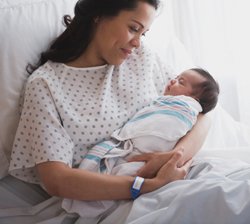
When Can You Get a Postpartum Massage After Giving Birth?

When Can You Get a Postpartum Massage After Giving Birth?

After a baby is born, nearly every question is about the baby. How is the baby sleeping? Is the baby eating enough? Does the baby need to be changed, held, rocked, or burped?

Meanwhile, the person who carried and delivered that baby is also recovering. Your body may be sore, tired, tender, and unfamiliar. Your shoulders and arms are learning the repeated motions of feeding and holding a newborn. Your sleep comes in short stretches. Everyday needs, such as sitting comfortably or finding time to shower, may feel harder than they used to.

Postpartum massage gives you time to receive care while your body recovers from pregnancy and birth. The pressure, positioning, and areas addressed during the session can be adjusted around your birth experience and how you feel that day.

Before scheduling a massage after childbirth, talk with your doctor or doula. This is especially necessary if you had a Cesarean birth, experienced complications, or have any concerns about your recovery.

Contact All Body Kneads to ask about postpartum massage in Lansing or schedule your appointment. Evening and weekend appointments are available. Call 517-898-2899 or schedule online.

What Is Postpartum Massage?

Postpartum massage is massage therapy adapted for the weeks and months after giving birth. It is not a single technique or a set routine that every new mother receives.

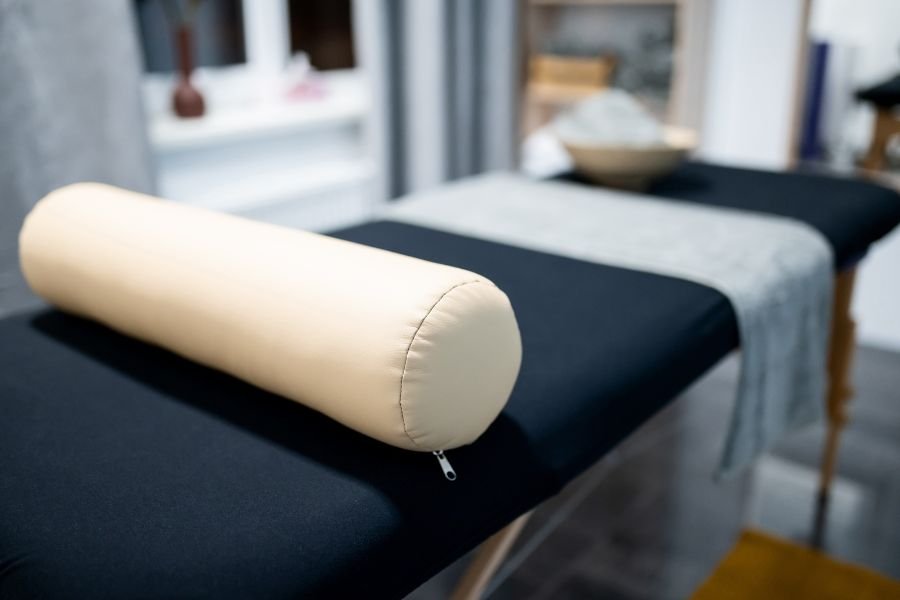
Your massage therapist will ask about your delivery, current discomfort, medical restrictions, and the positions that feel comfortable for you. Pillows and bolsters may be used so that you do not have to lie in a position that pulls on tender muscles or puts pressure on an incision.

The session may address tension in your neck, shoulders, back, hips, arms, hands, or feet. Pressure can remain light or be adjusted based on your comfort and your doctor’s guidance.

Most of all, this is time when you are not responsible for meeting anyone else’s needs. You do not have to make conversation, accomplish a task, or take care of another person. For one appointment, the care is directed toward you.

Why New Mothers Seek Postpartum Massage

Pregnancy changes the way the body carries weight, stands, walks, sits, and sleeps. Birth brings another set of physical demands. Once the baby arrives, new movements are repeated throughout the day and night.

Many new mothers notice tension in several areas.

Neck and Shoulders

Feeding, rocking, and looking down at your baby can leave your neck and shoulders feeling tight. It is easy to remain in one position much longer than you realize when a newborn has finally settled.

Upper and Lower Back

The muscles of the back have already spent months adjusting to pregnancy. After birth, lifting the baby, leaning over a crib or changing table, carrying an infant seat, and sitting through feedings may add more strain.

Arms, Wrists, and Hands

Holding and feeding a baby requires steady work from muscles that may not be used to doing the same motions for hours each day. Some mothers notice tired forearms, tight hands, or sore wrists.

Hips and Legs

The hips and legs may remain sore after pregnancy and delivery. Comfortable positioning matters during massage, particularly during the early weeks of recovery.

Massage cannot erase the physical work of caring for a newborn. It may ease tight muscles, offer a quiet break, and allow your body to rest without another demand waiting in the room.

Postpartum Massage

When Can You Get a Postpartum Massage?

There is no universal waiting period for postpartum massage. The right time depends on your delivery, healing, symptoms, medical history, and comfort.

Some mothers may be cleared for gentle massage relatively soon after an uncomplicated vaginal birth. Others need more time. If you experienced heavy bleeding, high blood pressure, infection, tearing, blood clots, surgery, or another complication, your healthcare provider may recommend waiting.

Do not feel pressured to schedule based on someone else’s timeline. One person may want massage soon after birth, while another may not feel ready for several weeks or months. Both are reasonable.

Ask your doctor or doula when massage is appropriate for you. Let your massage therapist know how long it has been since you gave birth and whether your medical provider has given you any restrictions.

Postpartum Massage After a Vaginal Birth

Recovery after a vaginal birth can include soreness, bleeding, swelling, stitches, pelvic discomfort, and exhaustion. Even when you have been cleared for massage, you may not be comfortable lying face down or remaining in one position for a full session.

Your massage can be adapted. Side-lying or supported face-up positioning may feel better. Pressure can be lighter, and the therapist can avoid any area that feels tender.

You are allowed to change your mind during the appointment. A position that felt fine at the beginning may become uncomfortable later. Ask for another pillow, a pressure change, a bathroom break, or a new position whenever you need it.
Postpartum Massage

Can You Get a Massage After a C-Section?

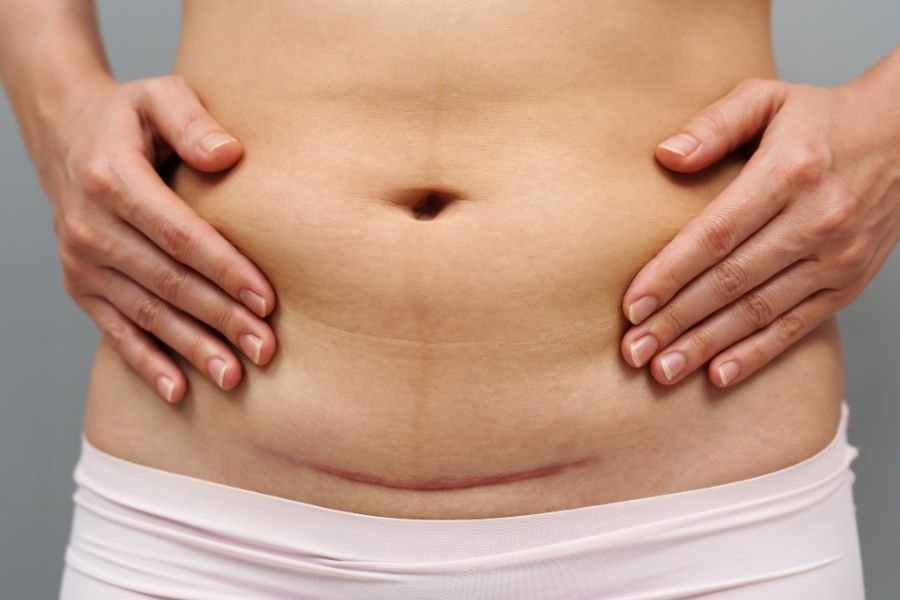
A Cesarean birth is abdominal surgery. Your body needs time to heal, even while you are also caring for a newborn.

Talk with your doctor before receiving a postpartum massage after a C-section. Your incision must be considered when choosing positions and deciding which areas can receive massage. Early sessions may avoid the abdomen entirely and address tension elsewhere, such as the neck, shoulders, arms, back, hips, or feet.

Be honest about numbness, pulling, tenderness, or discomfort near the scar. Your therapist needs that information to care for you safely.
Postpartum Massage

What to Expect During a Postpartum Massage

Your appointment should begin with a conversation. Your therapist may ask:

  • When did you give birth?
  • Did you have a vaginal or Cesarean birth?
  • Were there any complications?
  • Has your doctor cleared you for massage?
  • Are you taking any medications?
  • Where are you feeling sore or tense?
  • Which positions are comfortable today?

These questions are not meant to pry into a personal birth experience. They help your therapist plan a session that respects your recovery.

During the massage, you remain in control. You can request lighter pressure, ask to avoid an area, change positions, or end the session. You never need to tolerate discomfort to be polite.

You also do not have to talk. New mothers spend much of the day listening, responding, planning, and watching for what the baby needs next. Your massage can be one quiet hour when no one needs an answer from you.

When to Wait and Call Your Doctor

Massage is not a replacement for postpartum medical care. Contact your healthcare provider if you have symptoms that could point to a postpartum complication.

Seek medical care for symptoms such as:

  • Chest pain or trouble breathing
  • A severe headache or changes in vision
  • Heavy bleeding
  • Fever or signs of infection
  • Pain, redness, or swelling in one leg
  • An incision that is opening, draining, or becoming more painful
  • High blood pressure concerns
  • New pain that is severe or getting worse

The American College of Obstetricians and Gynecologists explains that serious health problems can develop after childbirth and may worsen quickly. When something feels wrong, call your doctor. A massage appointment can wait.

Postpartum Massage and Doula Care in Lansing

All Body Kneads offers postpartum massage and doula care for Lansing-area mothers and families. These services meet different needs, but both begin with the same belief: the person who gave birth deserves steady, compassionate care after the baby arrives.

Postpartum doula care can assist families at home as they adjust to life with a newborn. Postpartum massage gives the mother time set aside for her own body and rest.

There is no prize for doing everything alone. Receiving care does not take anything away from your baby. It gives someone a chance to care for the person who has been caring for everyone else.

This Time Is for You

Your body carried a pregnancy, gave birth, and moved directly into the work of caring for a newborn. It is understandable if you feel tired, sore, emotional, or unlike yourself.

Postpartum massage will not make every part of recovery easy. It can give you a place to rest, release tight muscles, and be cared for without needing to care for someone else at the same time.

Before booking, ask your doctor or doula whether you are ready for a massage. Once you have been cleared, All Body Kneads is here to make your comfort, boundaries, and needs the center of your appointment.

Contact All Body Kneads to schedule your postpartum massage in Lansing. Evening and weekend appointments are available. Call 517-898-2899 or schedule online.

What Does a Doula Do? Benefits of Having a Doula During Pregnancy and Birth

What Does a Doula Do? Benefits of Having a Doula During Pregnancy and Birth

Pregnancy is a time of immense joy and excitement, but it can also be filled with questions, concerns, and new challenges. One of the best ways to feel fully supported on your journey is by inviting a doula to join you. What does a doula do? While a doula isn’t a medical provider, their presence is often deeply comforting, empowering, and invaluable to many families. At All Body Kneads, we’re honored to support you every step of the way with the compassionate care of our certified doula, Bilky Joda-Miller.

Check out our Doula Services and Packages at All Body Kneads.

What is a Doula?

A doula is a trained professional who provides emotional and physical support to mothers and their families during pregnancy, childbirth, and the postpartum period. Certified doulas, like Bilky, undergo extensive training and exams to learn how to best support families in various ways during this life-changing time. Though doulas don’t deliver babies or provide medical care, they bring skills that focus on a holistic, comforting, and supportive experience for the mother and her family.

What is a birth doula?

What Does a Doula Do?

Doulas perform various roles depending on the family’s unique needs. Here’s a look at the ways a doula can support you:

  • Labor or Birth Doulas: Labor doulas provide continuous care during pregnancy and labor. They’re by your side from the beginning of labor until your baby arrives, offering hands-on comfort measures, guidance in breathing techniques, and emotional reassurance to help ease stress and tension.
  • Antepartum Doulas: If you’re on bed rest to prevent preterm labor, an antepartum doula offers invaluable support. They can assist with household tasks, care for other children, and offer emotional companionship, making it easier for you to rest and focus on a healthy pregnancy.
  • Postpartum Doulas: Adjusting to life with a newborn can be both joyful and overwhelming. Postpartum doulas help ease this transition by providing support in caring for the new baby, assisting with feeding, helping with siblings, and managing household tasks. This compassionate support allows new moms to focus on healing and bonding with their baby.

Benefits of Having a Doula

Choosing to have a doula by your side offers unique benefits that can enhance the birthing experience and ease postpartum recovery:

  • Emotional Support: Pregnancy and birth bring waves of emotions. Having someone experienced and compassionate in your corner can help you feel confident, calm, and reassured, whether you’re experiencing excitement, anxiety, or both.
  • Personalized Guidance: From prenatal education to labor preparation, doulas offer personalized advice and practical guidance tailored to your needs. You’ll receive assistance on everything from creating a birth plan to learning effective breathing techniques for labor.
  • Continuous Support: Unlike other care providers who may come and go during labor, a doula provides constant support, staying with you throughout the entire process. This continuity can be a tremendous comfort, especially in a hospital setting.
  • Help with Postpartum Transition: The early weeks after birth can be both beautiful and challenging. A postpartum doula provides an extra set of hands and a warm presence, helping you manage everything from feeding schedules to sibling support, allowing you to focus on your recovery and bonding with your newborn.

Why Hire A Doula?

Studies show that families with doulas often report higher satisfaction with their birth experience, feeling empowered and supported throughout. You may choose to have a doula if you are seeking comfort, guidance, and confidence during pregnancy and birth. Here are some additional benefits of having a doula:

  1. Consistent Support: Some women have a doula because they live far away from family or their own mom or support network is not available.
  2. Physical Comfort: Doulas use techniques like massage, breathing exercises, and positioning to reduce discomfort during labor, providing hands-on support tailored to each stage.
  3. Advocacy and Communication: A doula helps communicate your preferences and needs to the medical team, ensuring your voice is heard and understood.
  4. Reduced Stress for Partners: Doulas can guide and support partners, helping them feel involved and prepared to assist with the birth process.
  5. Enhanced Birth Experience:

Consider a Doula for Your Journey

Choosing a doula means giving yourself the gift of extra support and guidance during this incredible chapter. At All Body Kneads, our certified doula Bilky Joda-Miller is here to walk beside you with care and compassion, helping to create a more empowered, comforting birth experience.

Call Bilky Joda-Miller at All Body Kneads for more information on how a doula can support you in your pregnancy journey. Let us be part of your story, offering the guidance, warmth, and care that you and your family deserve.

Call: 517-898-2899

Email: bilky@allbodykneads.com

The Benefits of Hiring a Birth Doula

The Benefits of Hiring a Birth Doula

birth doulaWhat is a birth doula?

The word “doula” comes from the Greek word for “woman who serves.”

Throughout history, women have been giving birth with the support of female family members and friends. Drawings and illustrations of this milestone event often show a doula or midwife assisting with the birth, and one or more women giving comfort and attending to the needs of the mother.

Childbirth in modern times has become a more clinical affair, with the result of increased safety for both the mother and child during this once-dangerous experience. Babies are delivered in hospitals, with doctors and nurses attending to the birth.

One person, often the father of the baby, is usually present to provide the mother with encouragement and other non-medical support. In recent years, however, there has been a trend toward returning in part to traditional ways. Awareness of the need for strong emotional support, in addition to medical expertise, has surged among expectant parents. While the baby’s father is an important part of the event, he is often faced with the daunting task of dealing with his own apprehensions, in addition to providing support to the mother. This is when the presence of a birth doula is highly beneficial. The word “doula” comes from the Greek word for “woman who serves.” Birth doulas are trained to be supportive partners of the parents during the childbirth experience. Their goal is to “comfort and support the mother and to enhance communication between the mother and medical professionals” (DONA International).

A birth doula serves to enhance the positive experience of childbirth by providing the following:

Physical Comfort

Studies have found that the presence of doulas during a birth often leads to shorter labors with fewer complications. Doulas provide physical comfort measures such as lower back massages, and encourage breathing techniques that ease pain and discomfort throughout the process. In the end, the laboring mother is less stressed and fearful of the experience.

Emotional Support

During the intense experience of childbirth, a woman’s emotional needs may fluctuate drastically. A trained doula understands that this is a normal part of labor, and will offer support as needed. She is there to encourage and reassure, all while respecting and following the mother’s wishes. The mother thus becomes more focused and confident of herself as she delivers her child.

Stress Relief for the Partner

Most traditional birth experiences rely on the male partner to perform a variety of tasks during an intense situation. The result is that he becomes stressed and sometimes unable to appreciate the happy event until after it is over. The presence of a doula lifts many responsibilities off his shoulders, and allows him to become involved according to his comfort level.

Enhanced Communication between Expectant Parents and Medical Staff

The birth doula may serve as a go-between for the expectant parents and the medical staff. She doesn’t make decisions regarding the medical care of the mother or child. Instead, she ensures that information is relayed both ways, and may also provide objective feedback when requested.

A Positive Birth Experience

A mother in labor is more relaxed when she knows that she has someone who is knowledgeable and whose goal is to support and care for her as she brings her child into the world. A doula’s work is to ensure a positive birth experience as much as possible. These benefits are just some of the advantages of using the services of a birth doula. Many studies have shown that the outcomes of childbirth often improve when a doula is present. These include less physical discomfort, a more relaxed and happier mother, better parent-child bonding, and enhanced breastfeeding, which in itself leads to healthier newborns and mothers.

Here at All Body Kneads, I will begin providing birth doula services for mothers-to-be in the greater Lansing area. These services are in addition to the excellent spa and massage services that are already available to you. Contact me today for more information.