
Massage for Mechanics in Lansing: Relief for Sore Shoulders and Lower Back

Massage for Mechanics in Lansing: Relief for Sore Shoulders and Lower Back

Mechanics are the people who keep our vehicles safe and dependable. Every repair requires strength, patience, and precision. From lifting heavy tires and brake drums to reaching into cramped engine compartments, the work asks a great deal from the body every single day. While customers drive away with a vehicle that feels better than when it arrived, many mechanics head home with aching shoulders, tight backs, sore knees, and tired hands.

Contact All Body Kneads to schedule your massage today. Evening and Weekend appointments available. Call 517-898-2899 or schedule online HERE.

Your customers understand the value of routine maintenance because it keeps their vehicles running longer and prevents costly breakdowns. Your body deserves that same level of care. Regular massage therapy can help relieve muscle tension, improve flexibility, encourage healthy circulation, and help you recover from the physical demands of your profession.

The Physical Demands of Being a Mechanic

Working as a mechanic requires much more than technical knowledge. It is physically demanding from the beginning of the day until the last repair is complete.

Many mechanics spend hours:

  • Lifting heavy wheels, tires, batteries, and engine components.
  • Bending over engine bays.
  • Crawling beneath vehicles.
  • Kneeling on hard concrete floors.
  • Twisting into awkward positions.
  • Using impact guns, ratchets, and vibrating power tools.
  • Standing for long periods.
  • Gripping tools with force throughout the day.

These repetitive movements place ongoing stress on muscles, joints, tendons, and connective tissues. Small areas of tightness often build gradually until everyday movements become uncomfortable.
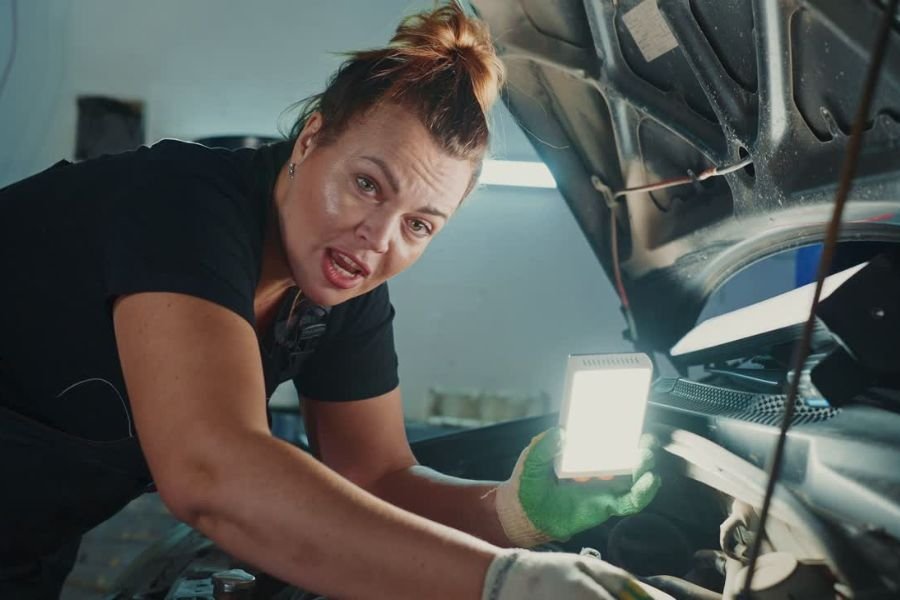
Massage for Mechanics

Common Areas of Pain for Mechanics

Although every mechanic’s workload is different, several areas of the body tend to experience the greatest amount of stress.

Neck and Shoulders

Leaning over open hoods for extended periods often causes the shoulders to round forward while the neck remains tilted downward. Over time, this posture creates tight muscles across the upper back, shoulders, and neck. Mechanics may notice stiffness first thing in the morning or headaches that begin near the base of the skull.

massage for mechanics

Lower Back

Lower back discomfort is one of the most common complaints among automotive professionals. Repeated lifting, bending, and twisting can leave the muscles surrounding the spine overworked. Even when proper lifting techniques are used, performing those movements hundreds of times each week places considerable stress on the lower back.

Massage therapy helps relax those overworked muscles, allowing them to move more comfortably while supporting healthy posture.

Forearms, Hands, and Wrists

Turning wrenches, gripping tools, and operating impact guns require constant force through the forearms and hands. Over time, those muscles can become extremely tight, sometimes contributing to discomfort in the wrists or elbows.

Massage can help reduce muscle tension in the forearms while encouraging healthy movement throughout the hands and wrists.

Hips and Glutes

Crouching beside vehicles, kneeling, climbing, and working underneath cars all place heavy demands on the hips. Tight hip muscles may contribute to lower back discomfort and reduced mobility.

Releasing tension throughout the hips often allows mechanics to move with greater ease during both work and everyday activities.

Knees

While massage does not directly treat damaged joints, surrounding muscles can become tight after hours of kneeling or squatting. Improving flexibility in the thighs and calves may help reduce unnecessary tension placed around the knees.

Massage for Mechanics

Repetitive Strain Adds Up

Many people expect soreness after a particularly busy week, but repetitive strain often develops slowly. Instead of one major injury, the body experiences thousands of small stresses over months and years.

As muscles become tighter, movement becomes less efficient. Other muscles begin working harder to compensate, creating additional areas of discomfort.

This cycle often includes:

  • Tight shoulders leading to neck pain.
  • Tight hips contribute to lower back discomfort.
  • Tight forearms are affecting grip strength.
  • Reduced flexibility, making lifting more difficult.
  • General fatigue that lingers long after the workday ends.

Regular massage therapy helps interrupt this cycle before minor muscle tension grows into chronic discomfort.

How Massage Helps Mechanics Recover

Massage therapy is much more than a way to relax. For people whose careers depend on physical labor, it can become an important part of staying healthy.

Reduces Muscle Tension

Massage helps muscles release built-up tightness from repetitive work. As muscles relax, everyday movements often become easier and more comfortable.

Improves Circulation

Healthy circulation delivers oxygen and nutrients throughout the body while supporting the natural recovery process after physically demanding workdays.

Encourages Better Flexibility

When muscles remain tight for long periods, movement becomes restricted. Massage helps improve tissue mobility so bending, reaching, lifting, and twisting require less effort.

Supports Better Posture

Years of leaning over vehicles can gradually change posture. Relaxing tight muscles allows the body to return toward a more balanced position, reducing unnecessary strain.

Helps You Feel Better Beyond the Shop

Many mechanics notice that muscle tightness follows them home. Yard work, hobbies, playing with children, or simply sleeping comfortably may become more difficult.

Massage supports recovery that benefits both work and personal life.
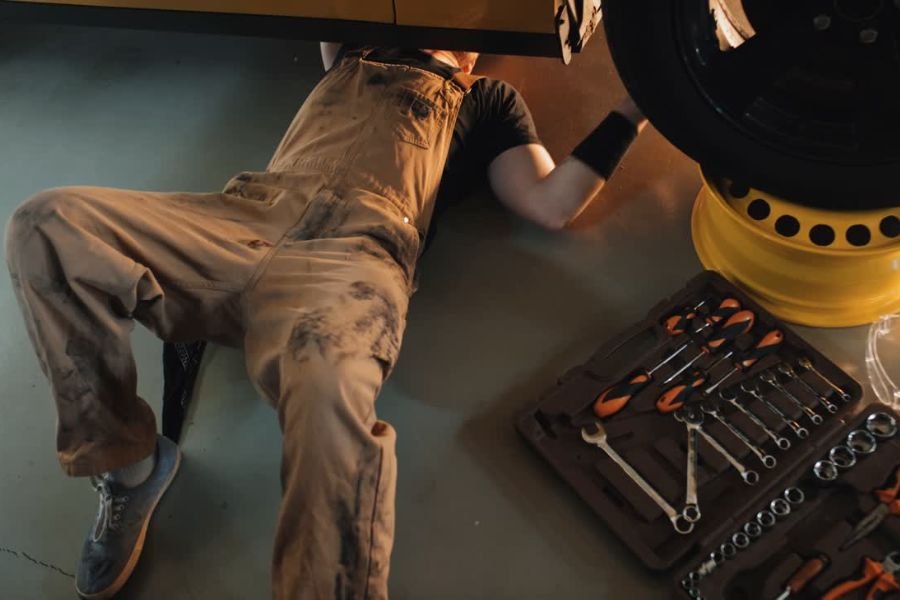
Massage for Mechanics

Why Consistency Matters

Many people wait until pain becomes difficult to ignore before scheduling a massage. By that point, muscles may have been under constant stress for months.

Regular massage appointments help address tension before it builds into larger problems.

Depending on your workload, many mechanics find that scheduling a massage every three to six weeks helps keep muscles healthier throughout the year. During especially busy seasons, more frequent visits may provide additional relief.

Think of it the same way you think about oil changes. Routine maintenance usually works better than waiting for something to break.

Massage for Mechanics in Lansing

Lansing has a strong community of hardworking tradespeople who keep businesses, farms, families, and commercial fleets moving every day. Mechanics play a vital role in that community.

At All Body Kneads, we understand that physically demanding careers require practical care. Every massage is tailored to your individual needs. Whether your shoulders feel tight after years of leaning into engine compartments or your lower back needs relief after countless heavy lifts, your session is designed around what your body needs that day.

Our goal is simple. We want you to leave feeling more comfortable, moving more freely, and better prepared for whatever tomorrow brings.

massage for mechanics

Your Body Is Your Most Valuable Tool

Mechanics invest in quality tools because dependable equipment makes every job easier. Your body deserves the same attention.

Taking care of muscle tension today may help you stay active, comfortable, and capable throughout your career. Caring for yourself is not a luxury. It is part of maintaining the tool you rely on every single day.

If you spend your days keeping other people’s vehicles running, remember that your body also benefits from regular maintenance.

Contact All Body Kneads to schedule your massage today. Evening and Weekend appointments available. Call 517-898-2899 or schedule online HERE.

Frequently Asked Questions

Can massage help lower back pain from working as a mechanic?

Many mechanics experience muscle tightness in the lower back from lifting, bending, and twisting. Lower back pain massage Lansing sessions focus on reducing muscle tension, improving mobility, and helping you feel more comfortable during daily activities.

What is massage for mechanics?

Massage for mechanics is a customized massage that addresses the muscle groups most affected by automotive work, including the shoulders, back, hips, forearms, and neck.

How does repetitive strain massage help?

A repetitive strain massage Michigan therapist works to ease muscle tension created by repeated movements, awkward postures, and tool vibration. Regular sessions can support healthy movement and reduce ongoing discomfort.

How often should mechanics get a massage?

Many mechanics benefit from massage every three to six weeks. If your workload is especially demanding or you’re experiencing ongoing muscle tightness, more frequent visits may be helpful.

Is massage only helpful after an injury?

No. Many mechanics use massage as preventive care. Addressing muscle tension before it becomes severe may help keep you working more comfortably over the long term.

Massage for Social Workers in Lansing

Massage for Social Workers in Lansing

Relief for the Body and Mind

Social workers spend their days helping people through some of life’s hardest moments. Whether they work with children, families, older adults, hospitals, schools, or community organizations, they often carry both emotional and physical stress long after the workday ends. While caring for others comes naturally to many social workers, making time to care for themselves is often much harder. Regular massage therapy offers a gentle way to release physical tension, calm the nervous system, and create space for genuine rest.

Contact All Body Kneads to schedule your massage today. Evening and Weekend appointments available. Call 517-898-2899 or schedule online.

The Emotional Weight of Social Work

Few careers ask people to be fully present with pain, grief, trauma, and crisis every single day. Social workers regularly support individuals who are facing abuse, addiction, homelessness, mental health challenges, family conflict, financial hardship, and loss. Even on good days, the emotional demands are significant.

Many social workers become skilled at staying calm during difficult situations. They learn to listen carefully, solve problems, and offer compassion without judgment. What is not always obvious is how much emotional energy those interactions require.

Over time, that emotional load can begin to affect the body. Stress hormones remain elevated, muscles tighten, sleep becomes less restful, and it becomes harder to recharge between workdays. Many professionals begin feeling emotionally drained even when they still love the work they do.

How Emotional Stress Shows Up in the Body

Emotional stress rarely stays in the mind alone. It often settles into muscles and connective tissues throughout the body.

Many social workers notice:

  • Tight shoulders and neck pain
  • Frequent headaches
  • Jaw clenching
  • Low back discomfort
  • Fatigue that sleep does not fully relieve
  • Shallow breathing
  • Difficulty relaxing after work

These symptoms are common responses to ongoing stress. The body remains in a protective state, making it difficult to fully unwind.

Massage therapy provides an opportunity to interrupt that cycle. During a massage session, many people notice their breathing slows, muscles soften, and racing thoughts become quieter. This shift allows the nervous system to move away from constant alertness and toward rest and recovery.

Massage for Social Workers Supports More Than Muscles

When people think about massage, they often picture relief from sore muscles. While physical relief is certainly important, massage also supports emotional wellness.

A professional massage can help:

  • Reduce muscle tension from prolonged stress
  • Encourage deeper relaxation
  • Improve circulation
  • Promote better sleep
  • Increase body awareness
  • Create a peaceful break from emotionally demanding work

Many clients describe feeling lighter after a massage. Their bodies feel less tense, and their minds feel clearer. While massage cannot remove workplace challenges, it can make it easier to recover from them.

For social workers who spend much of their day focused on the needs of others, having one hour devoted entirely to their own well-being can be deeply restorative.

Burnout Prevention Starts With Consistent Self-Care

The phrase burnout prevention has become increasingly important as more helping professionals recognize the value of ongoing self-care.

Burnout does not usually happen overnight. It often develops gradually through months or years of constant stress without enough opportunities to recover.

Common signs include:

  • Feeling emotionally exhausted
  • Reduced motivation
  • Irritability
  • Difficulty concentrating
  • Physical fatigue
  • Feeling disconnected from work

Self-care is not selfish. It is part of maintaining the ability to continue serving others with compassion.

Massage therapy works best as one piece of a healthy self-care routine that may also include:

  • Regular movement
  • Healthy sleep habits
  • Good nutrition
  • Time outdoors
  • Meaningful relationships
  • Professional support when needed
  • Healthy work boundaries

Even scheduling one massage each month can provide a dependable opportunity to reset.

The Nervous System Needs Time to Feel Safe

Social workers frequently spend their days responding to urgent situations. Their brains become accustomed to scanning for problems that need immediate attention.

Massage encourages the opposite experience.

A quiet treatment room, comfortable table, soothing touch, and focused breathing create an environment where the nervous system receives a clear message that it is safe to relax.

Many clients notice:

  • Slower breathing
  • Reduced heart rate
  • Less muscle guarding
  • A greater sense of calm
  • Improved sleep the following night

These moments of relaxation help balance the demands of a profession that often requires constant emotional presence.

Grounding Techniques Between Massage Appointments

While massage sessions provide valuable support, simple grounding practices during the workday can also help reduce accumulated stress.

Consider trying these gentle habits:

Take Three Slow Breaths

Pause between appointments or meetings and take three slow breaths, allowing your shoulders to soften with each exhale.

Notice Your Feet

Feel both feet connected to the floor. This simple awareness helps bring attention back to the present moment.

Stretch Your Neck and Shoulders

Gentle stretches throughout the day can ease stiffness before it becomes painful.

Stay Hydrated

Stress often causes people to overlook basic needs. Drinking enough water supports both physical and mental well-being.

Step Outside

Even five minutes of fresh air and natural light can provide a welcome mental reset.

These small practices complement the relaxation experienced during massage therapy.

Physical Relief Helps Emotional Recovery

People sometimes separate physical and emotional wellness as though they exist independently. In reality, they constantly influence one another.

When neck and shoulder tension eases, headaches may become less frequent. Better sleep often improves emotional resilience. Reduced muscle pain can make daily activities feel less exhausting.

Massage addresses the physical effects of stress while creating an opportunity for mental quiet that many social workers rarely experience during their workday.

Supporting Lansing’s Social Workers and Nonprofit Community

Lansing is home to many nonprofit organizations, schools, healthcare systems, and community agencies that rely on dedicated social workers every day. These professionals strengthen families, advocate for vulnerable populations, and build healthier communities through compassionate service.

At All Body Kneads, we appreciate the important role social workers play throughout the Lansing area. We understand that those who spend their careers caring for others also deserve thoughtful, compassionate care themselves.

Whether you work for a nonprofit, hospital, school district, behavioral health organization, or community agency, taking time for massage is an investment in your own health and your ability to continue helping others.

Creating a Sustainable Self-Care Routine

Many helping professionals wait until they are completely exhausted before scheduling a massage.

Instead, consider planning appointments before stress becomes overwhelming.

A regular schedule allows your body to recover more consistently rather than trying to catch up after months of accumulated tension.

Some clients choose:

  • Monthly maintenance massage
  • Massage every three weeks during busy seasons
  • More frequent visits during especially stressful periods

There is no single schedule that works for everyone. The goal is finding a rhythm that supports your physical comfort and emotional well-being.

You Deserve the Same Compassion You Give Others

Social workers encourage clients to care for themselves, ask for help when needed, and recognize the importance of healthy habits. Those same messages apply to the professionals providing that care.

Massage offers a quiet space where you can step away from constant demands, release physical tension, and reconnect with your own well-being.

You spend your career helping others find stability during difficult seasons. Allow yourself the same kindness.

Your health matters.

Your rest matters.

You matter.

Contact All Body Kneads to schedule your massage today. Evening and Weekend appointments available. Call 517-898-2899 or schedule online.